HOME RESERVATIONS & DONATIONS THE SANCTUARY AND THE LAND WHO WE ARE EVENTS CONTACT US PRIVACY POLICY
conservation & restoration burials provide a natural return to the earth — without embalming, vaults, or chemicals
The Natural Burial Process
A natural or conservation burial plot is dug 3½ feet deep — within the biologically active “living soil” layer. This shallower depth allows a carefully chosen tree to thrive nearby, drawing nutrients and growing shallow feeder roots in the same soil layer. With conservation burial, a mound is built over the body to allow for natural settling, and a native tree is planted adjacent.
A conventional burial, by contrast, is six feet below ground in the “dead” zone of soil where biological activity cannot happen, according to the Green Burial Council.

No Embalming, No Vault, No Mercury
Green Burial Council conservation certification permits:
- Biodegradable caskets (available through select regional funeral homes)
- Natural cloth shrouds from your home
- No embalming fluids
- No underground vaults
- No headstones
Burial sites and plots are located by GPS.
Soil & Tree Restoration
Conventional burial vaults block the natural decomposition of the body and prevent root systems from reaching essential nutrients. In conservation burial, with each tree planted adjacent to a grave, your body nourishes your tree or a tree nearby.
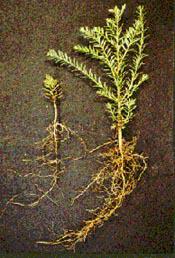
Local additives we have developed also help neutralize mercury and other pollutants in the soil. Organic soil amendments and biodynamic preparations support sustainability and longevity of trees and family memorial groves.
Why It Matters
According to data gathered by Cornell University professor Mary Woodsen for the Green Burial Council, U.S. cemeteries waste each year:
- 4.3 million gallons of embalming fluid (827,000 gallons of which are formaldehyde, methanol, and benzene)
- 20 million board feet of hardwoods, including rainforest trees
- 1.6 million tons of concrete
- 17,000 tons of copper and bronze in caskets
- 64,500 tons of steel
Cremation, often mistakenly thought to be “green,” is also significantly polluting. Each cremation uses roughly 92 cubic meters of natural gas and releases mercury, dioxins, furans, and other persistent organic pollutants — including 0.8 to 5.9 grams of mercury per cremation. The U.S. Geological Service has closed more than 30,000 freshwater lakes due to mercury contamination; only 20 grams of mercury is enough to close a lake.
Cremation Remains Burials
On a limited basis, Cathedral Trees Sanctuary can offer the burial of cremated remains under soil at the base of a purchased tree, along with cremains soil acidifiers and conditioners to manage the alkaline impact. Please contact us for specific needs and costs.
Conservation Certification
The Green Burial Council’s conservation certification requires a legal easement with an independent organization or land trust (such as the Southern Oregon Land Conservancy) so the preserve is held forever as both a conservation burial preserve and a state-licensed burial ground. The easement ensures no future development on the land.
The Friends of Cathedral Trees Sanctuary practice an even higher standard — what Dr. Cunningham calls “Restoration Burials” — which includes active soil, meadow, and grove restoration that grows over the centuries into mature heritage oak woodland.
Children & Grief